
Low-flow fixtures promise reduced utility costs by limiting water use per fixture. They affect showering, faucet draw, and toilet flush behavior, with results varying by model and user patterns. Durability, maintenance needs, and lifecycle cost shape overall value, beyond initial price. A balanced assessment weighs comfort, reliability, and climate influence against potential payback. Trade-offs exist, but thoughtful selection and installation may yield predictable savings without compromising function, leaving the question open to further scrutiny.
What Low-Flow Fixtures Today Really Do for Your Bills
Low-flow fixtures reduce water usage by limiting the volume or flow rate of water delivered during each usage event.
The analysis isolates operational efficiency, establishing a direct link between reduced consumption and monthly bills.
The low flow impact depends on fixture type, usage patterns, and climate.
When integrated thoughtfully, measurable water savings emerge without compromising function or user autonomy.
How They Impact Shower Pressure, Cadence, and Comfort
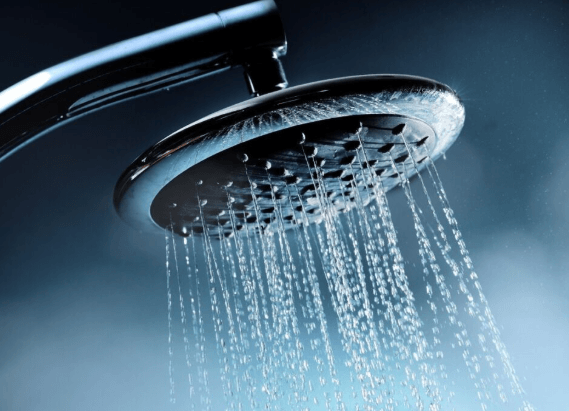
Shower performance with low-flow fixtures hinges on how flow restriction interacts with nozzle design, pipe diameter, and heater response. The interplay shapes pressure, cadence, and perceived comfort. Users encounter low flow drawbacks when presets limit surge and imply gradual delivering. Engineers discuss pressure tinkering strategies to balance steady spray with noise, temperature stability, and reach, avoiding abrupt changes or inconsistency across fixtures.
Weighing Aesthetics, Durability, and Long-Term Payback
The analysis focuses on aesthetic durability, balancing visual appeal with component resilience under usage cycles.
Long term savings emerge from predictable maintenance, reduced replacement frequency, and stable performance.
Trade-offs are quantified through lifecycle cost modeling, aligning stylistic goals with durable construction and economic efficiency.
How to Choose, Install, and Minimize Trade-Offs Without Overpaying
Selecting appropriate low-flow fixtures requires a disciplined evaluation of performance metrics, cost, and compatibility to minimize trade-offs while avoiding overpayment.
The analysis highlights choosing fixtures with verifiable flow data and durable components, balancing upfront price against plumber costs and installation complexity.
Paying upfront may yield long term savings through reduced consumption, while standardized fittings simplify maintenance and minimize risk, enabling informed, independent decisions.
See also: Central Bank Digital Currencies (CBDCs) Explained
Frequently Asked Questions
Do Low-Flow Fixtures Truly Preserve Hot Water Supply Long-Term?
Low-flow fixtures do not permanently preserve hot water supply; their impact depends on system design. They mitigate consumption, addressing low water misconceptions and efficiency myths, but sustained hot water availability hinges on storage, circulation, and boiler sizing.
Are There Hidden Maintenance Costs With Low-Flow Faucets?
Suddenly, hidden costs surface: low-flow faucets impose maintenance surprises through aerator clogging, valve wear, and flow sensor recalibration. While efficiency improves, potential repair frequencies and parts sensitivity demand careful budgeting, analytical monitoring, and proactive service planning to avoid surprises.
Will Low-Flow Toilets Flush Reliably in Emergencies?
Emergency performance of low-flow toilets can be unreliable in some emergencies, but modern models show improved outcomes; long term reliability depends on design efficiency, maintenance, and supply chain consistency, enabling freedom-minded audiences to assess risk with clarity.
Do I Need Special Plumbing Parts for Retrofits?
A relevant statistic notes that 20% of retrofits fail due to compatibility gaps. Retrofit compatibility considerations show that basic fittings may suffice, but valve assemblies and seals often require manufacturer-specific parts; warranty considerations advise strict adherence to approved kits.
Can Low-Flow Fixtures Affect Home Resale Value?
Low-flow fixtures can positively influence home value, though impact varies. They may enhance resale appeal for efficiency-minded buyers and reduce operating costs, contributing to a modest resale impact; however, perceived quality and overall market conditions mediate the effect.
Conclusion
Low-flow fixtures offer measurable bill savings through reduced water consumption, with benefits varying by fixture type, usage patterns, and climate. Though some users perceive changes in shower pressure or cadence, proper nozzle technology and thoughtful design preserve function and comfort. Durability and predictable maintenance underpin long-term payback, while lifecycle cost analysis clarifies aesthetic and reliability trade-offs. Decision-makers should weigh upfront costs against ongoing savings, ensuring compatibility and performance, and recognizing that steady, well-managed use yields predictable, scalable returns—like a well-timed engine, running smoothly.